
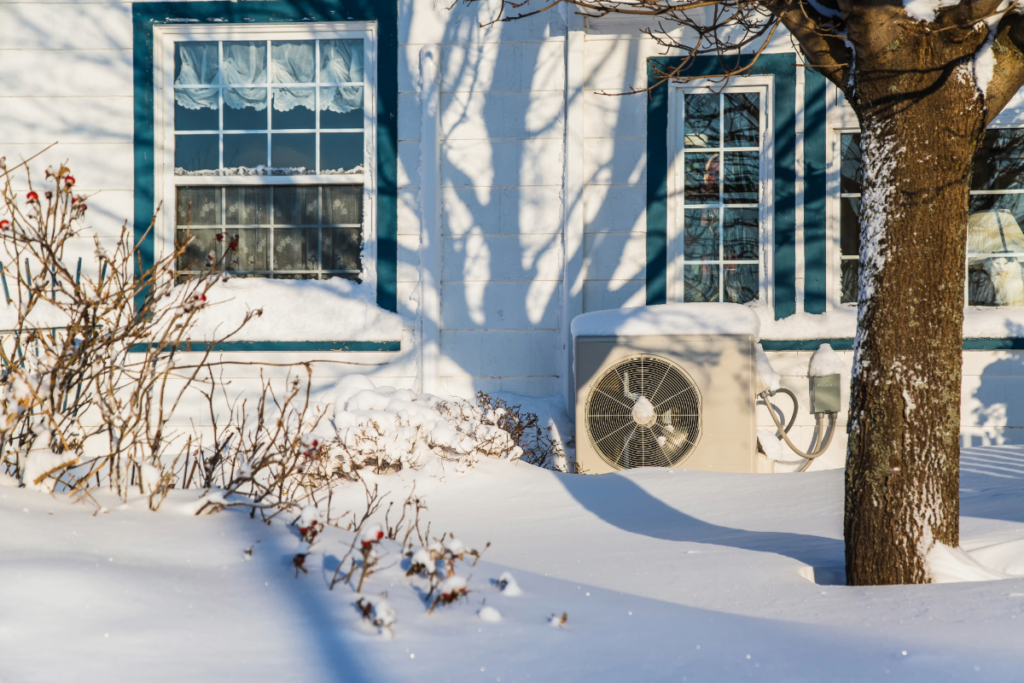
Northern Virginia homeowners know that winter weather can make any home comfort issue feel more urgent. So when a heat pump starts blowing air that doesn’t feel warm enough—or it runs longer than it did in the fall—it’s easy to assume something is wrong. In reality, many of these changes are entirely normal once temperatures dip into the 30s and below. This guide breaks down what’s expected for a heat pump in December, what might signal a real problem, and when it’s time to schedule a service to stay ahead of winter breakdowns.
Why heat pumps behave differently in December
Heat pumps don’t create heat the way a furnace does. Instead, they pull warmth from the outdoor air and bring it indoors. That process works beautifully for most of the year in Northern Virginia, but December brings colder, drier air that gives your system less heat to work with. When the temperature drops, your heat pump must run longer to maintain the same comfort level you’re accustomed to.
Because the system runs more frequently, homeowners sometimes worry that it’s “struggling” or wearing itself out. In most cases, it’s simply doing precisely what it’s designed to do during colder weather. If your home still feels comfortable and the system isn’t shutting off unexpectedly, this longer run time is usually expected.
When cooler air from the vents is not a red flag
A heat pump’s airflow is typically gentler and cooler than that of a furnace. On mild fall days, you may not notice that difference as much. But in winter, when you expect strong warmth from the vents, that lower temperature can feel misleading.
Even when working properly, a heat pump’s supply air often sits somewhere between 85°F and 95°F. That’s technically warm, but compared to your body temperature, it can feel cooler. The system maintains comfort by running longer and moving more air—not by blasting high heat all at once.
As long as your home is reaching the temperature on your thermostat, this “cooler” feeling airflow isn’t a sign of trouble.
What auxiliary heat actually means
Another winter surprise for many homeowners is seeing “AUX heat” or “EM heat” show up on the thermostat. This doesn’t necessarily mean the heat pump has failed. Auxiliary heat is a built-in backup system, typically electric or part of a dual-fuel setup, designed to take over when temperatures become too cold for the heat pump to operate alone.
Auxiliary heat may run occasionally during December mornings or particularly cold evenings. That brief handoff helps your home stay comfortable, but it can also use more energy. That’s why your utility bill might be higher this time of year, even when nothing is technically wrong.
If auxiliary heat is running nonstop, or if your home still isn’t warming properly, that’s when it’s worth having a technician take a closer look.
Why frost or ice on the outdoor unit isn’t always a problem
Seeing frost or even a light layer of ice on your outdoor heat pump can be alarming, especially during the first cold week of the season. However, this is a normal part of winter operations. Outdoor moisture collects on the coil and freezes when the temperature drops.
Your system is built to handle this through a defrost cycle. For a few minutes, it briefly reverses operation to melt the ice, then returns to heating mode. You may hear the system change sound or see steam rising from the unit—that’s usually just the defrost process doing its job.
What isn’t normal is a unit that stays fully iced over, never enters a defrost cycle, or is struggling to move air because of a blockage around the coil. If that happens, it’s time to schedule a professional checkup.
When winter performance signals a real issue
Even though many December heat pump quirks are normal, some symptoms are worth paying attention to. If your system can’t reach the set temperature, short-cycles, makes new or unusual noises, or runs auxiliary heat almost constantly, there may be an underlying problem. Dirty coils, low refrigerant levels, or a failing component can cause the system to work harder than it should, and these issues become more noticeable as the weather gets colder.
If your heat pump is more than 10–12 years old, has experienced repeated winter issues, or requires frequent repairs, December may also be the time to consider an upgrade. A properly sized, high-efficiency system can make a noticeable difference in comfort and winter utility costs. Homeowners exploring replacement options can learn more about modern systems through professional heat pump installation services or their broader heating service offerings.
How to keep your heat pump running smoothly all winter
A few simple steps can help your system perform better during the coldest months of the year. Make sure your air filter is clean, keep outdoor coils clear of leaves and debris, and avoid blocking indoor vents with furniture. If your thermostat allows it, avoid large temperature swings that force the system into auxiliary heat unnecessarily. Most importantly, scheduling yearly maintenance ensures the system is ready for winter’s workload and helps prevent the small issues that turn into expensive repairs.
Need help with heat pump issues this winter?
If your heat pump seems off or you’re unsure whether what you’re seeing is normal winter behavior, it’s always better to have a professional take a look. HPU’s technicians can diagnose performance concerns, improve efficiency, and make sure your home stays comfortable throughout the coldest months of the year. You can schedule service online or call (571) 360-4520 for help anytime.