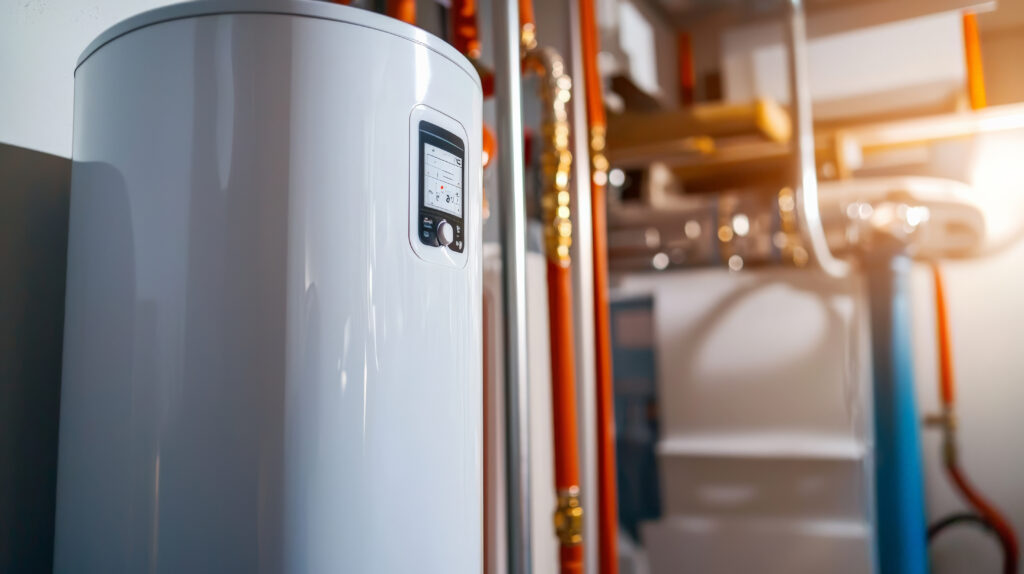
Don’t let your hard-working water heater become a hot mess this May!
At HVAC and Plumbing, we’re here to help you keep this essential home appliance running efficiently and safely for our neighbors throughout Lorton and surrounding areas.
Why Spring Cleaning Isn’t Just for Closets
Your water heater has been working overtime during those chilly winter months. Think about it – steamy showers, extra loads of laundry (all those bulky sweaters!), and more dishes from all those comfort food dinners. That’s a lot of hot water! Now that spring has arrived, it’s the perfect time to show your water heater some appreciation with a maintenance check.
Signs Your Water Heater Might Be Crying for Help
Before we dive into maintenance tips, here are some warning signs that your water heater might need immediate attention:
- Water that’s not as hot as it used to be (nobody likes a lukewarm shower surprise!)
- Strange noises coming from the tank (it shouldn’t sound like a percussion instrument)
- Rusty or discolored water (your morning coffee shouldn’t include a side of rust)
- Water pooling around the base (water heaters shouldn’t have their own mini lakes)
- Higher energy bills with no explanation (your wallet will thank you for addressing this!)
DIY Spring Maintenance Checklist
Ready to give your water heater some springtime love? Here’s what you can do:
1. Flush the Tank to Remove Sediment
Over time, minerals and sediment build up in your tank – kind of like how crumbs collect at the bottom of a toaster. This sediment makes your water heater work harder and less efficiently.
To flush:
- Turn off the power to the water heater (safety first!)
- Connect a garden hose to the drain valve
- Open the valve and let the water flow until it runs clear
- Close the valve and remove the hose
- Turn the power back on
This simple task can extend your water heater’s life and improve its efficiency.
2. Check the Anode Rod
The anode rod is like your water heater’s personal bodyguard. It attracts corrosive elements so they don’t attack your tank. But even heroes have limits – anode rods eventually wear down and need replacement.
While checking the anode rod is technically a DIY job, it can be tricky and might require special tools. When in doubt, our professionals can help with this critical maintenance step!
3. Test the Pressure Relief Valve
This important safety feature prevents excessive pressure buildup – think of it as your water heater’s steam release valve! Testing it is simple:
- Place a bucket under the discharge pipe
- Lift the valve’s lever halfway and then release it
- If water flows out and stops when you release the lever, your valve is working properly
- If no water comes out or it continues to leak afterward, it’s time for a replacement
4. Insulate Older Units
If your water heater is feeling a bit drafty, consider adding an insulation blanket. Just like how a cozy sweater keeps you warm while using less energy, a properly installed insulation blanket can reduce heat loss by up to 45% and save you money on energy bills.
For tankless water heaters, maintenance looks a bit different but is equally important. These systems need annual descaling to remove mineral buildup from the heating elements.
When to Call the Pros
Some water heater maintenance is best left to professionals, especially if:
- You’re uncomfortable working with gas or electrical connections
- Your water heater is older (8+ years) and might need specialized care
- You’ve noticed leaks, significant rust, or other concerning issues
- It’s been more than a year since your last professional maintenance check
Our plumbing repair experts can provide comprehensive maintenance that includes checking gas connections, inspecting electrical components, and professional-grade flushing that removes more sediment than typical DIY methods.
The Benefits of Regular Maintenance
Taking care of your water heater isn’t just about avoiding cold showers (though that’s certainly a plus!). Regular maintenance:
- Extends your water heater’s lifespan (replacement isn’t cheap!)
- Improves energy efficiency (your utility bills will thank you)
- Ensures safer operation (peace of mind is priceless)
- Provides consistent hot water when you need it
- Prevents expensive emergency repairs
For electric water heaters, professional maintenance also includes checking the heating elements and thermostats – crucial components that determine how well your system performs.
Spring Into Action This May!
Need help getting your water heater ready for the warmer months ahead? Our team of certified technicians is just a phone call away.
Contact us at (571) 360-4520 or schedule on our website!
Your water heater will thank you – and so will everyone in your household who enjoys a hot shower!